Eye Clinic in Mumbai: Clinic or Hospital, What to Look For, and How to Prepare for Your Visit

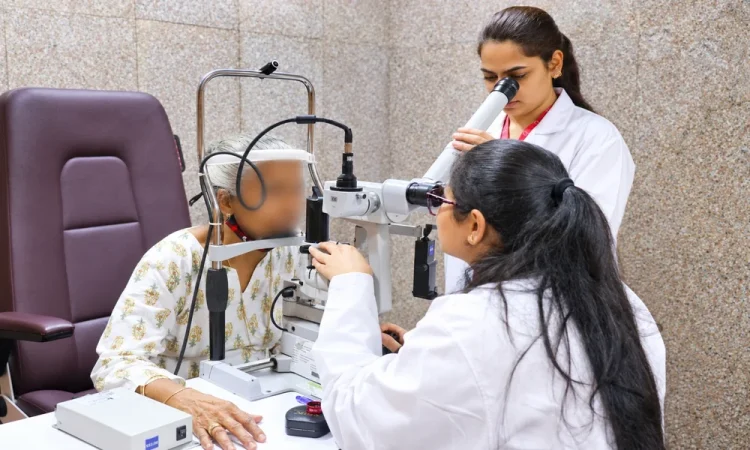
Do you need a clinic or a hospital for your eyes? Many people default to a large hospital for a problem that turns out to be a glasses change, while others go to an optical shop for a problem that needs a retina surgeon. Knowing which setting suits which problem saves time and money, and this guide explains how to tell them apart, what a well-run clinic should offer, and how to prepare so a single visit achieves what you came for.
Clinic versus hospital: the practical difference
An eye clinic is an outpatient practice. It is built around examination, diagnosis, prescribing, lens fitting and non-surgical management. Some clinics also offer laser vision correction and minor procedures. Appointments are usually shorter to obtain, waiting times lower, and you are more likely to see the same clinician each time.
An eye hospital adds operating theatres, inpatient beds, anaesthesia and, in large centres, sub-specialty departments (retina, cornea, glaucoma, paediatric ophthalmology, oculoplastics). It is the right place for surgery, emergencies and complex disease that needs several specialists.
The two are complementary. Many people use a clinic for their routine care and are referred to an eye hospital in mumbai only when a surgical problem arises, then return to the clinic for follow-up and spectacles afterwards.
Choose a clinic when you have
- Blurred vision, a changing glasses prescription or difficulty reading
- Dry, itchy, watery or tired eyes
- Contact lens fitting, including specialty lenses for keratoconus
- A child’s routine examination, squint assessment or lazy eye therapy
- Screening for diabetes- or blood-pressure-related eye changes
- Questions about LASIK or PRK suitability
- Annual check-ups and monitoring of a stable condition
Go straight to a hospital when you have
- Sudden loss of vision, a curtain across your vision or a sudden shower of floaters with flashes
- Severe eye pain with redness, headache and nausea
- A chemical splash or any injury to the eye (rinse with clean water for 15 minutes first)
- A foreign body that cannot be removed by blinking or rinsing
- Vision loss after surgery or with a known retinal condition
In these situations do not wait for an appointment; most large hospitals in Mumbai have 24-hour eye emergency services.
What a good eye clinic offers
A well-equipped eye clinic in mumbai should be able to handle most non-surgical eye care under one roof. Look for:
A full examination, not just a power check. This includes refraction, slit-lamp examination, eye pressure measurement and a dilated view of the retina, with a personalised examination tailored to your age and risk factors rather than a fixed ten-minute routine.
Both optometrists and ophthalmologists. Optometrists handle refraction, lens fitting and vision therapy; ophthalmologists manage disease. A clinic with both avoids referral ping-pong.
Specific services for common problems. Dry eye assessment, keratoconus management, children’s eye health, amblyopia therapy and contact lens fitting are areas where a focused clinic frequently does a more thorough job than a busy hospital OPD.
Spectacle and lens dispensing on site, so the prescription written in one room is filled accurately in the next, with the clinician available if the glasses do not feel right.
Technology to look for
Equipment is not everything, but certain instruments make a real difference to what can be diagnosed on the day:
| Instrument | What it does |
|---|---|
| Corneal topographer | Maps the cornea; essential for keratoconus and contact lens fitting |
| OCT scanner | Cross-section images of the retina and optic nerve; detects macular disease and glaucoma early |
| Visual field analyser | Tests peripheral vision for glaucoma and neurological problems |
| Non-contact tonometer | Eye pressure measurement without drops |
| Fundus camera | Photographs the retina to track diabetic and hypertensive changes over time |
| Dry eye diagnostics | Tear-film and meibomian gland imaging |
| Wavefront aberrometer / excimer laser | For custom laser vision correction, where the clinic offers it |
A clinic that lists its advanced technologies openly makes it easier to judge whether your problem can be fully assessed there. If a test is not available on site, ask where it is done and whether the clinic reviews the report with you.
How to prepare for your visit
- Book the right slot. If a dilated examination is likely (first visit, diabetes, floaters, child’s check), allow two hours and arrange transport home; dilation blurs near vision for three to four hours.
- Bring your history. Current glasses, contact lens boxes, previous prescriptions, old reports or scans, and a list of medicines (including steroids, antihistamines, isotretinoin and hydroxychloroquine).
- Note your symptoms. When they began, which eye, what makes them better or worse, and whether they come and go.
- Skip the lenses. Remove soft contact lenses 24 hours before and rigid lenses up to a week before a refraction or laser consultation, as they change corneal shape.
- Avoid eye make-up on the day; it interferes with tear-film and lid examination.
- Ask about fees upfront. Consultation in Mumbai clinics ranges roughly from Rs 500 to Rs 2,500, with imaging billed separately; the clinic’s reception can confirm what is included.
Questions worth asking before you choose
- Will I see the same doctor at follow-up, and are records stored for year-on-year comparison?
- Which conditions do you refer out, and to whom?
- Which branches are convenient for repeat visits? A practice with locations across south Mumbai, Dadar and the western suburbs, for example, reduces travel.
Choosing an eye clinic in mumbai that fits your actual need, rather than the biggest name nearby, usually means a faster diagnosis and more continuity of care. Keep the hospital for the problems that genuinely need one.
Disclaimer: This article is for general information only and is not a substitute for medical advice. Please consult a qualified eye doctor, and seek emergency care immediately for sudden vision loss, severe pain or eye injury.